Driveway Extensions, Widening and Aprons in South Bend, IN
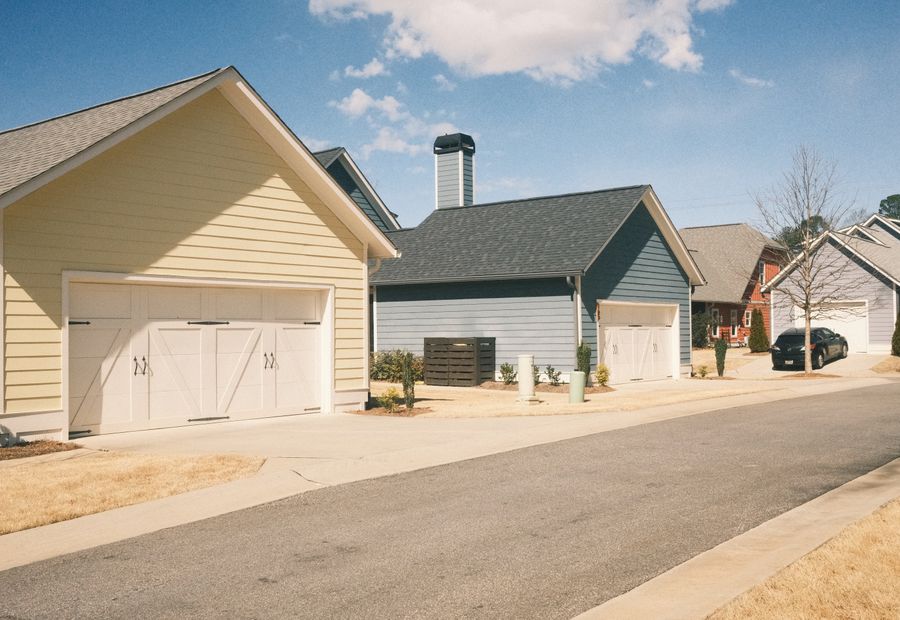
South Bend Driveway Paving widens driveways, adds extensions and parking pads, and rebuilds aprons, alongside driveway replacement, resurfacing, patching, new paving, sealcoating, gravel conversion, and parking lot work. Extension work is some of our steadiest business in Granger and the newer subdivisions around Mishawaka and Osceola, where a two-car drive stopped being enough once the household grew.
Every added section gets its own excavation and its own compacted stone base, tied into the depth of the existing drive so the two sit level. The joint between old and new gets cut back to a clean vertical face, tack coat brushed on it, and the seam sealed once the new mat is rolled. Boat and RV pads get built deeper than the driveway they attach to. The version of this job worth avoiding is asphalt laid straight onto undisturbed lawn beside the existing drive, which sinks along its outer edge within a couple of winters.
Widening for a Second Vehicle
Adding three or four feet down one side turns a tight single drive into a usable two-car. The added strip needs the same build as the original, not a thinner one, because the outside wheel of every vehicle will end up running on it.
Parking Pads and Turnarounds
A pad off the side of the drive keeps a third vehicle off the lawn. A turnaround loop means nobody backs onto a busy road. Both are laid out with stakes first, because the space a vehicle actually needs to swing is bigger than it looks on the ground.
RV, Boat, and Trailer Pads
These are the pads that fail when they are built like driveway. Concentrated weight in one spot for a whole season pushes down through the asphalt and into the base. Deeper stone, heavier asphalt, and a surface that sheds water are what keep the ruts out.
The Seam
A joint between two pavements laid years apart is always visible. What matters is whether water can get into it. A cut face, tack, a rolled joint, and sealer keep it closed. An overlapped edge feathered onto the old surface opens up and lets water into the base of both sections.
Aprons at the Street
The apron takes plow blades, turning traffic, and standing meltwater. Rebuilding it means checking the height where it meets the road so a blade does not catch a lip, and building the shoulder up so the edges are supported.
Right-of-Way Comes First
Work at the street edge usually needs the city or the county involved before it starts, and we confirm that rather than assuming. Call (574) 555-0148 with what you want to add.
Will the new asphalt match the old driveway?
Not exactly, and anybody who promises otherwise is guessing. Fresh hot mix goes down black and the existing surface has already weathered toward gray, so the difference is obvious on day one. It narrows over the first couple of years as the new section ages. The seam itself stays visible permanently, because it is a real joint between two pavements placed years apart. Sealcoating the whole drive once the new work has cured evens out the color more than anything else will.
How much extra base does an RV or boat pad need?
More than the driveway beside it, because the load is concentrated and it sits in one place for months. A parked motorhome or a loaded trailer puts its whole weight through a few small contact patches, and jack stands are worse. We build those pads with deeper compacted stone and heavier compacted asphalt than the drive, and we make sure the pad drains rather than holding water under a vehicle that never moves.
Should I widen the driveway or replace the whole thing?
It comes down to what the existing drive has left in it. Widening a driveway that is sound and drains well is straightforward and worth doing on its own. Widening one that is already cracking into a web means building a good new strip beside a failing old one, and the old one will need replacing in a few years anyway. Doing it all at once costs less than doing it twice, and it gets you one continuous surface with no long seam.
Do I need approval to add an apron or a second entrance?
Often yes, because the strip between the sidewalk or road edge and your property line is public right-of-way, not yours. Widening the existing apron, adding a second entrance, or changing where a drive meets the street usually needs the city or county to sign off first. Setback rules on your own lot can apply too. We confirm both with the right office before any work is scheduled, and we do not start on the assumption it will be fine.